Generative art is thrilling to make. The harder question is what it owes the artists it learned from.

My mom moved out to Desert Hot Springs not long after I landed in Palm Springs, so she's a short drive away now. While we were setting up her new place, I went looking for art for the walls, and Midjourney caught my eye. That's where this starts. What I want to get into is the line between using AI art for yourself and using it professionally.
Generative AI still has a spark for me. Every session with Midjourney felt more interesting than the last. A good prompt eventually gave us something my mom connected with right away. And when I started blending images, the results were close to gallery-worthy. I have no intention of selling them, and that distinction is the whole point of this piece.
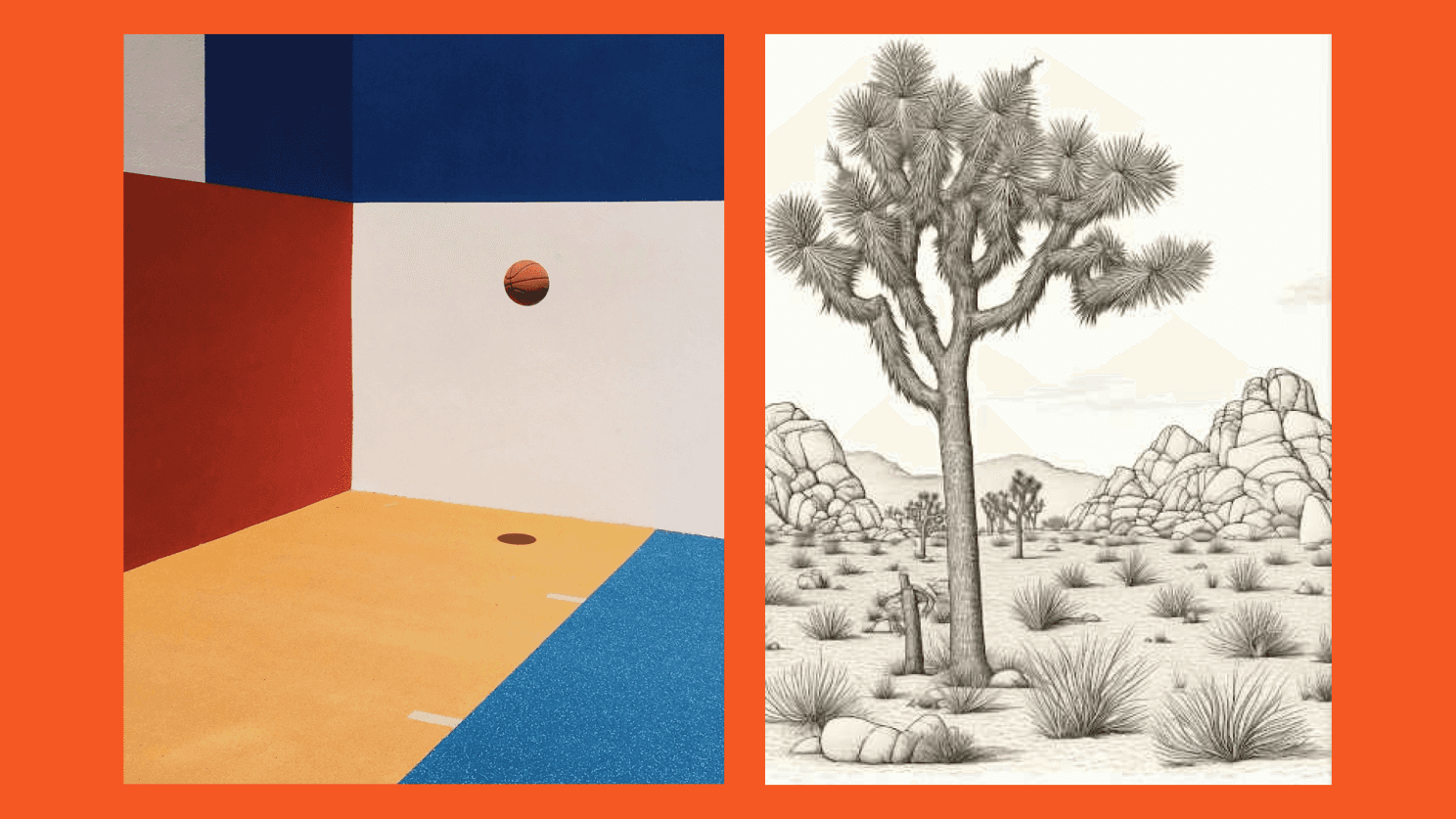
For your own walls, AI art is a fun new thing. Make it, and put it up. The professional side is more complicated. In real creative work, AI should support the process, not run it. A seasoned writer leans on spellcheck without handing over the writing. AI is a tool and a catalyst. It isn't the work itself.
Generative art is built on the work of countless artists and everything they made over a lifetime. That's not only images. It's the feeling and the history behind them. AI's part in pushing the form is real. But there's a point it shouldn't pass, and that point is turning generative art into a blue-chip commodity or a mass-market product. The world doesn't need more easy money pulled off the back of someone else's heart and work.
Technology can stretch what we're capable of. It doesn't replace what makes art matter: the person behind it. Our experiences and our emotions are what make a piece land and stay with someone. That human part has to stay at the center, however good the tools get.
Credits
The images on this page are Midjourney composites, and the source material behind them is credited here.
The basketball-court composite is built from a photograph of the Pigalle Duperré court in Paris. The court was designed by Ill-Studio for the fashion brand Pigalle, in partnership with Nike. The photograph is by [confirm: Sébastien Michelini, who shot the 2017 court, or Alex Penfornis, who shot the 2020 refresh]. Its other source is an illustration that's sold commercially with no credit to its artist.
Composite tool: Midjourney.
